juniper bonsai tree care temperature
How To Care For A Juniper Bonsai Tree. Juniper bonsai can either be planted indoors or outdoors under conditions that support sunlight water temperature and humidity.
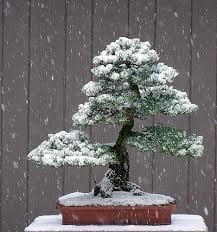
How To Protect Bonsai In Winter Bonsai Tree Gardener
Before you water the soil should slightly dry.
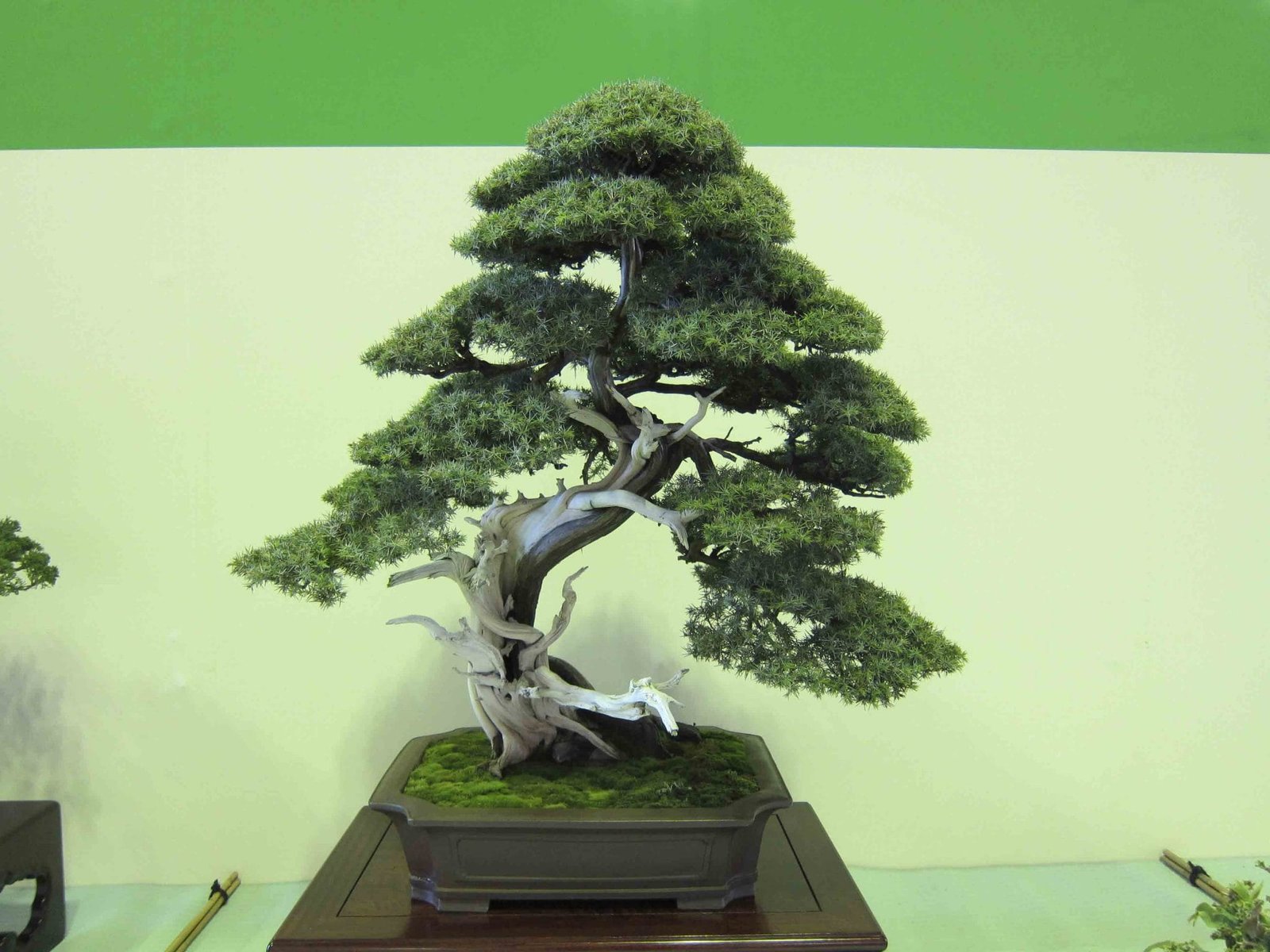
. That is why no bonsai will grow in total lack of sunlight. Its a relatively young specimen. Sunlight is one of the necessary elements critical to the growth cycle of every tree.
It prefers rocky well-drained soils. This is to protect itself from frost. 554 degrees Fahrenheit 13 degrees Celsius is the ideal temperature to keep juniper bonsai at.
Until then the best placement for. Whenever you water this bonsai ensure that the soil is at least slightly dry and do not overwater. Juniper bonsai tree general care Junipers like lots of light but not direct sun during hot summer months though it can handle some.
How Do You Care For A Juniper Bonsai Tree For Beginners. Continue reading about watering Bonsai trees. Gently remove the plant from the pot carefully remove some of the soil around the sides and bottom of the root ball.
The best time to water a bonsai tree is usually early on in the morning with room temperature tap water. They cant survive inside no tree ever does good inside. Junipers love the full sun temperature fluctuation between day and night and are strictly an outdoor species.
The soils of juniper are maintained consistently well by regular watering. Carbon dioxide and water is converted into sugars and carbohydrates with exposure to ample sunlight. A juniper bonsai can handle cold temperatures down to 15 degrees Fahrenheit.
While some trees are able to survive indoors or outdoors Junipers are not. In its natural range it is most often found growing near the sea. Junipers grow high in mountains they can stand below freezing.
Also add about 2-3 inches of mulch around the tree during fall since it retains water and regulates the soil temperature. I bought the DIY Juniper Bonsai Pack from BonsaiBoy of New York. Covering the whole tree in a fine layer of water will prevent large quantities of liquid from making the soil too wet.
However it can become impossible to handle the amount of water that occurs. The easiest way to see if a bonsai tree needs water is to check the soil to make sure it has moisture. Wiring is the most used technique for shaping a juniper as wire will permit you to bend branches and place them in desirable locations on the tree.
The best conditions for these plants include plenty of light water and temperature. Cut off 13 of the roots all the way around and up from the bottom. Indoor bonsai plants need a standard room temperature.
These trees are frost-tolerant and hardy and they can survive even if temperatures go lower than 10 degrees Fahrenheit with no protection. Your Juniper Bonsai tree is best grown outdoors all year long as it cannot really tolerate staying outdoors. Ideally one of the best ways to water the juniper bonsai tree when growing is to use a mist spray.
The Shimpaku Juniper is native to Japan the Kurile Island and the Sahalin Peninsula. The fruit is a. The tree is native to dry or marshy areas of.
This is cold enough so your plant wont dry out but warm enough that your juniper wont freeze. Tamarix is the genus of about 60 species of flowering plants and small trees from the family of Tamaricaceae. Using a nitrogen-rich fertilizer at the start of the growing season can help your tree get revved up to power new growth.
Prune your bonsai during the growing season from spring to late summer. Depending on the growth rate this can be every 2-3 years. Protect these trees from temperatures below 14 degrees Fahrenheit.
Shouldnt be a problem at all. Winter burn is likely caused due to dehydration and hence it would help if you water the plant regularly during fall before the first frost. You can overwinter your bonsai outside with protection or keep it in a garage or shed that will stay above 15 degrees.
Proper temperatures should be between 50 and 70 degrees Fahrenheit. Be careful not to overwater as the junipers roots dont like soil wetness. If your tree turns purplish brown in the winter this is normal.
I brought it in and re-potted it a few days ago. Many people fear that the sun will ruin their new beloved Bonsai Tree but the damage is actually from temperature rather then the direct sun light. For more details on repotting your Juniper bonsai tree view our video here.
Bonsai soil is more open allowing water to go in and out without remaining saturated. The more sun a Juniper gets the healthier it will be the tighter the Foliage will be and the better the colouring will be. Currently temps are fluctuating around 50F for a high and 27F for a low.
Growers should base the temperature on the plants origin. Beginner Trees Bonsai Trees Indoor Bonsai. Repot as the tree outgrows the pot.
A more realistic temperature range for juniper would be between 10 to 85 degrees Fahrenheit. The tree is native to dry or marshy areas of. If you are living in a colder climate it is best to keep your Juniper bonsai indoors where the temperature will be more consistent.
Juniper bonsai trees are a type of indoor plant that can be placed either in the house or outside. After potting mist the plant and water thoroughly per watering. The foliage is needle-like on young trees and scale-like on older trees.
It prefers cooler temperatures between 45 65 degrees Fahrenheit which is why its best indoors or outdoors when temps get too low. Junipers are outdoor bonsai trees and need lots of light with no shade. Bonsai will thrive and actively grow in a temperature range of 70-85.
It has a very shallow root structure which should be protected from freezing with mulch or coverings. Place fresh porous soil in the pot a houseplant soil mix is suitable and replant the bonsai. Misting the tree can be done regularly especially after the tree has been repotted because it benefits from air humidity.
Junipers will do well outdoors until the weather dips below 0 celsius for more than 24 hours. Juniper bonsai trees do not need to be fertilized during the winterbut dont forget to water. However this temperature range may not be suitable for all types of bonsai.
Your repotting wasnt ideal but if you keep it protected and outside it should be fine. When the winter recedes remove any diseased or broken branches.
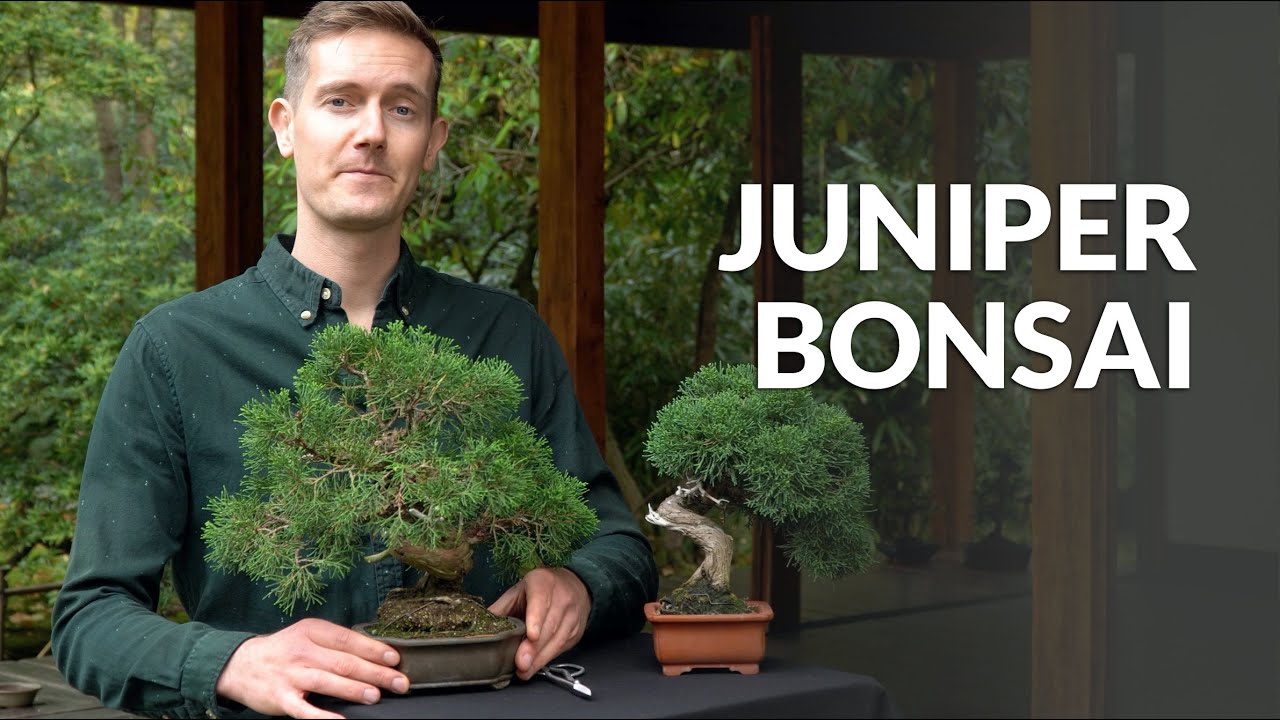
Juniper Bonsai Tree Youtube
:max_bytes(150000):strip_icc()/growing-juniper-bonsai-5085312-05-8c3fdeef3d834904b4e4181de693cb53.jpg)
How To Grow And Care For Juniper Bonsai

Fall And Winter Bonsai Tree Care My Garden Life

Bonsai Medium Rock Juniper Bonsai Tree From Easternleaf Com The Old Age Of The Bonsai Tree Strengthens The Trees Ability To Withstand Extremely Hardy And Can Withstand Cold Weather But Provide Protection
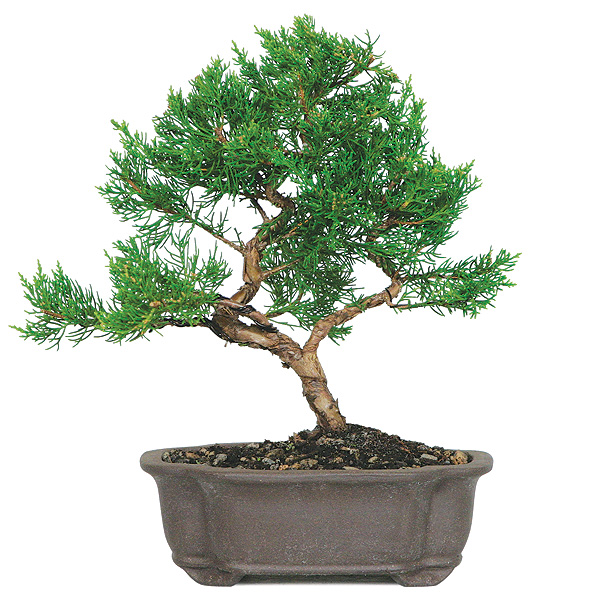
Shimpaku Juniper Bonsai Care Bonsaioutlet Com

How To Take Care Of A Japanese Juniper Bonsai About Bonsai
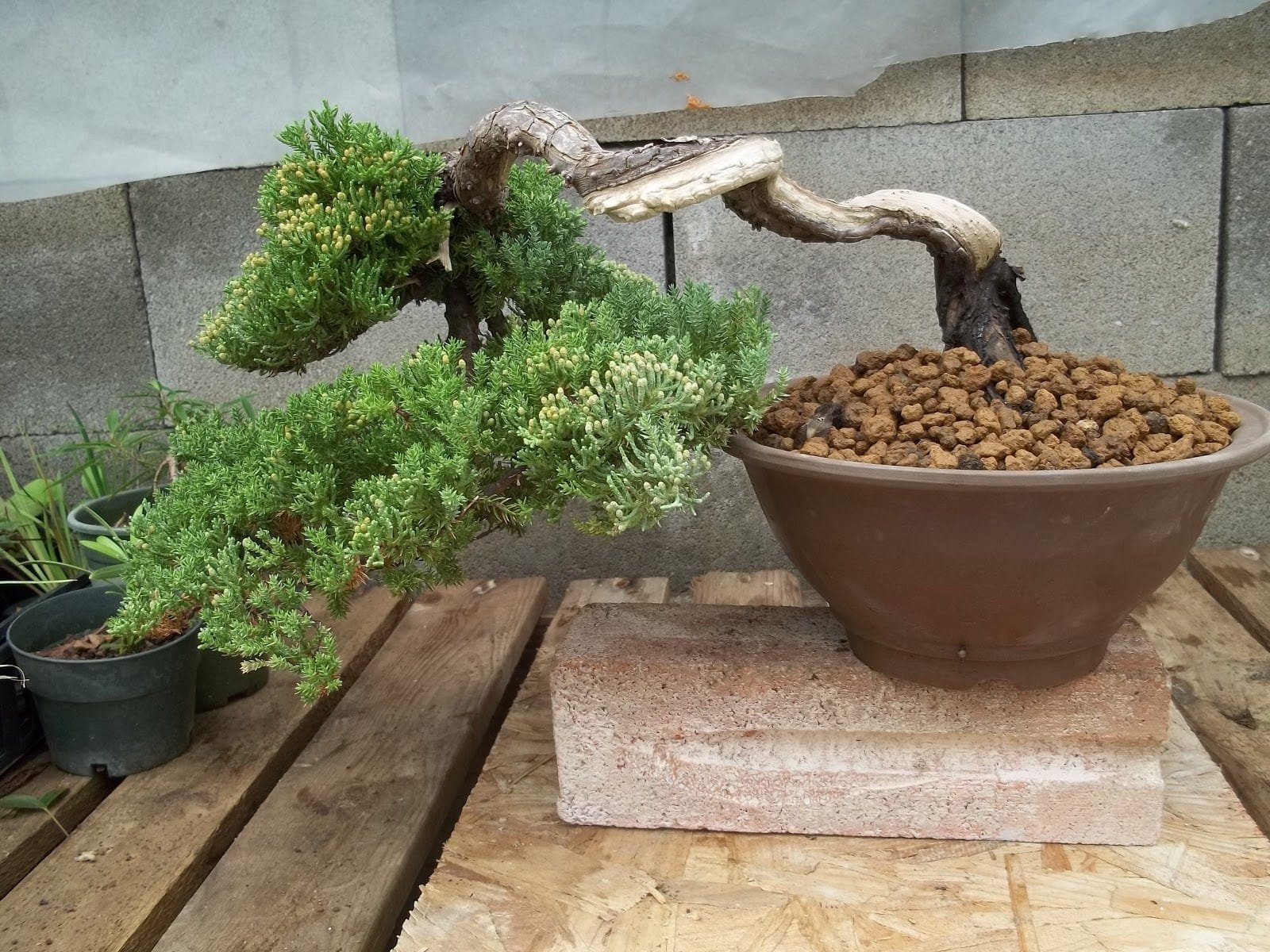
Green Mound Juniper Bonsai Tree Care Guide Juniperus Procumbens Bonsai Tree Gardener
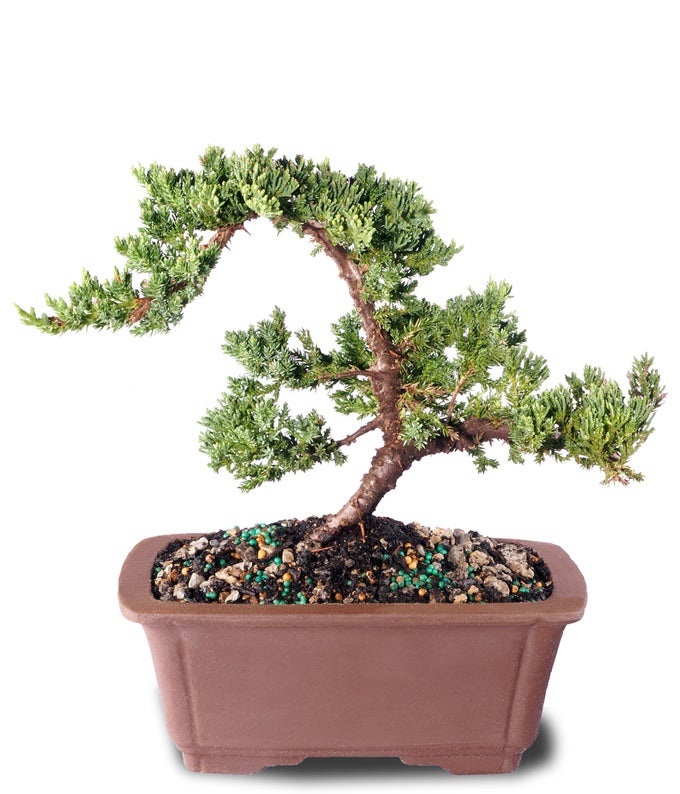
Arching Juniper Bonsai Tree At From You Flowers
Needle Juniper Bonsai Tree Care Guide Juniperus Squamata Bonsai Tree Gardener
:max_bytes(150000):strip_icc()/growing-juniper-bonsai-5085312-03-0908221022894655bb1ab85fa315fd78.jpg)
How To Grow And Care For Juniper Bonsai

Juniper Bonsai Tree Care Guide Juniperus Chinensis Bonsai Tree Gardener
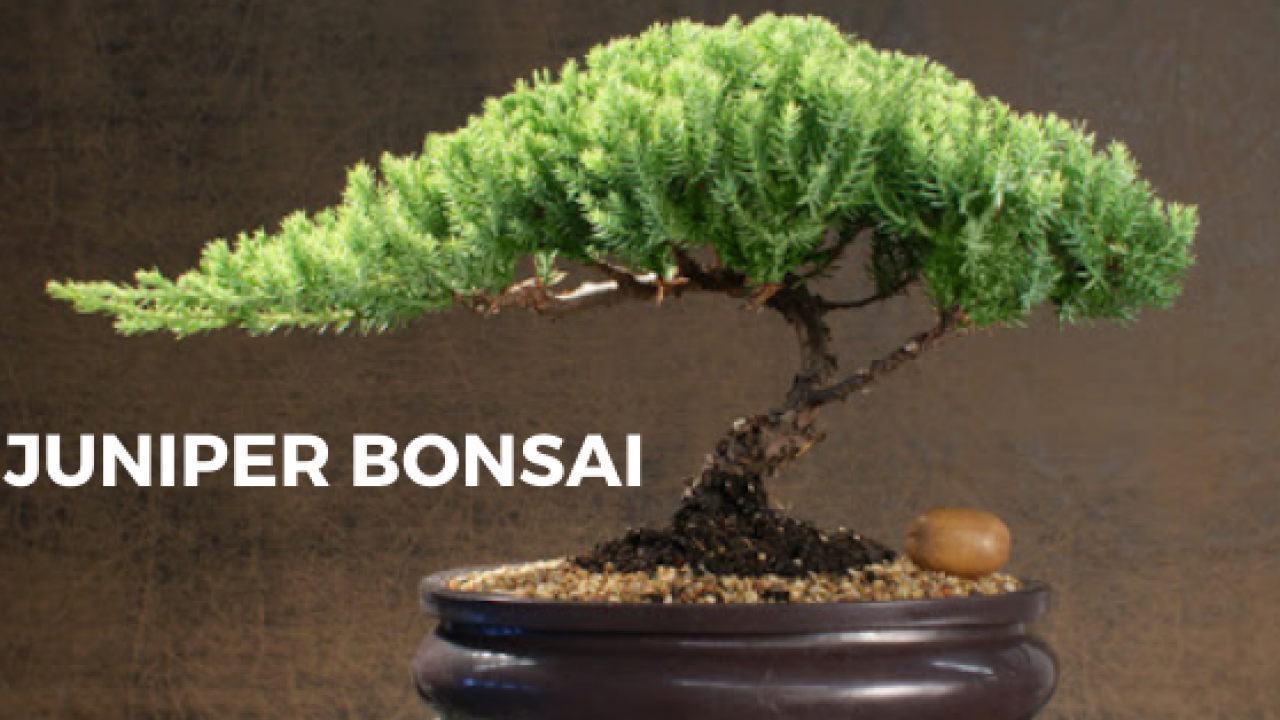
Juniper Bonsai Tree Care The Bonsai Master

Easternleaf Com Rock Juniper Bonsai Tree Only 35
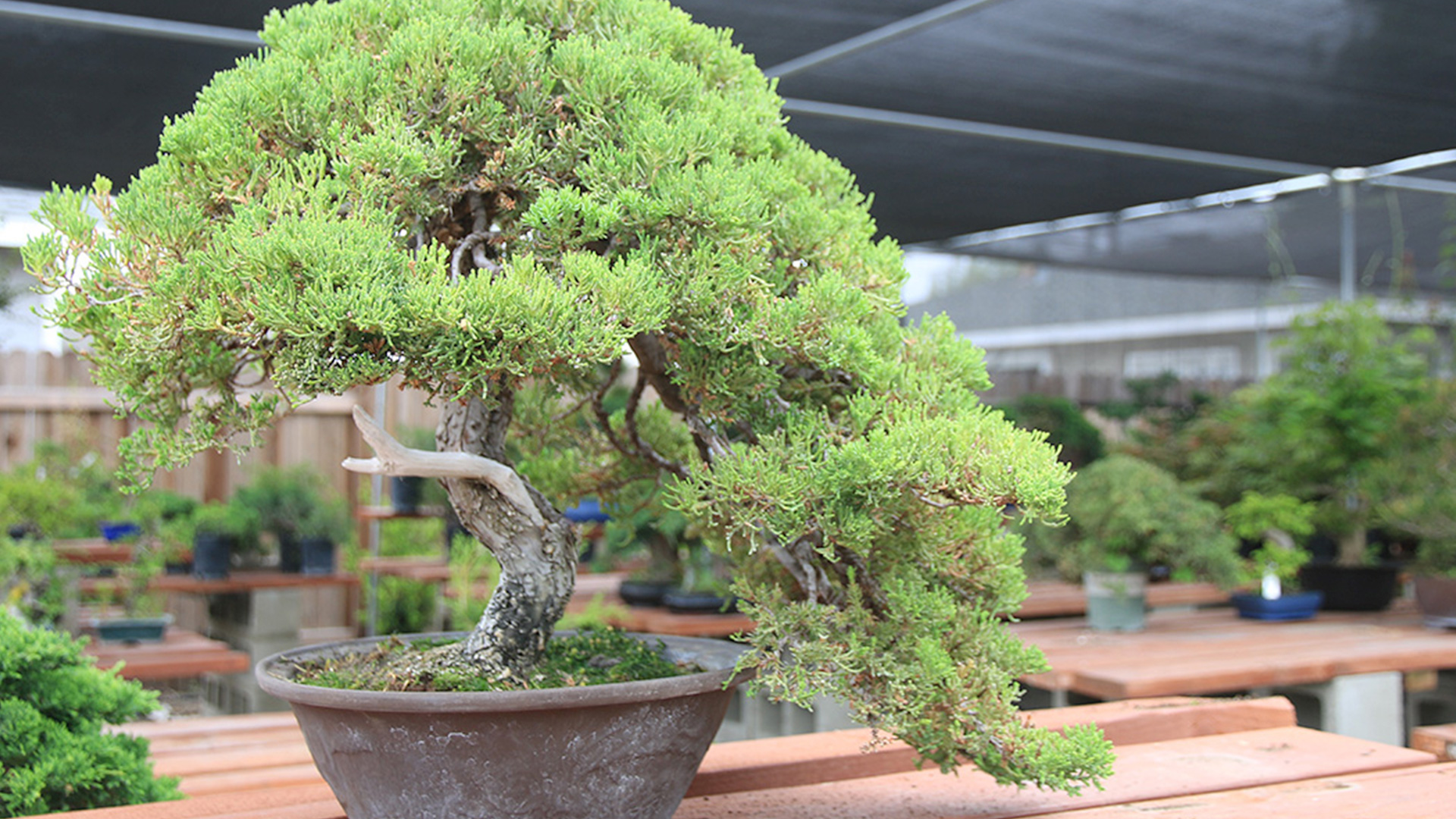
Juniper Bonsai Tree Care Guide Eastern Leaf Knowledge Base
/growing-juniper-bonsai-508312-01-d20b5d68bd784efd8a8ccfe8474c685b.jpg)
How To Grow And Care For Juniper Bonsai

How To Take Care Of Japanese Juniper Bonsai Our Guide Book Nayturr

Juniper Bonsai Sun Requirements Basic Bonsai Tree Care
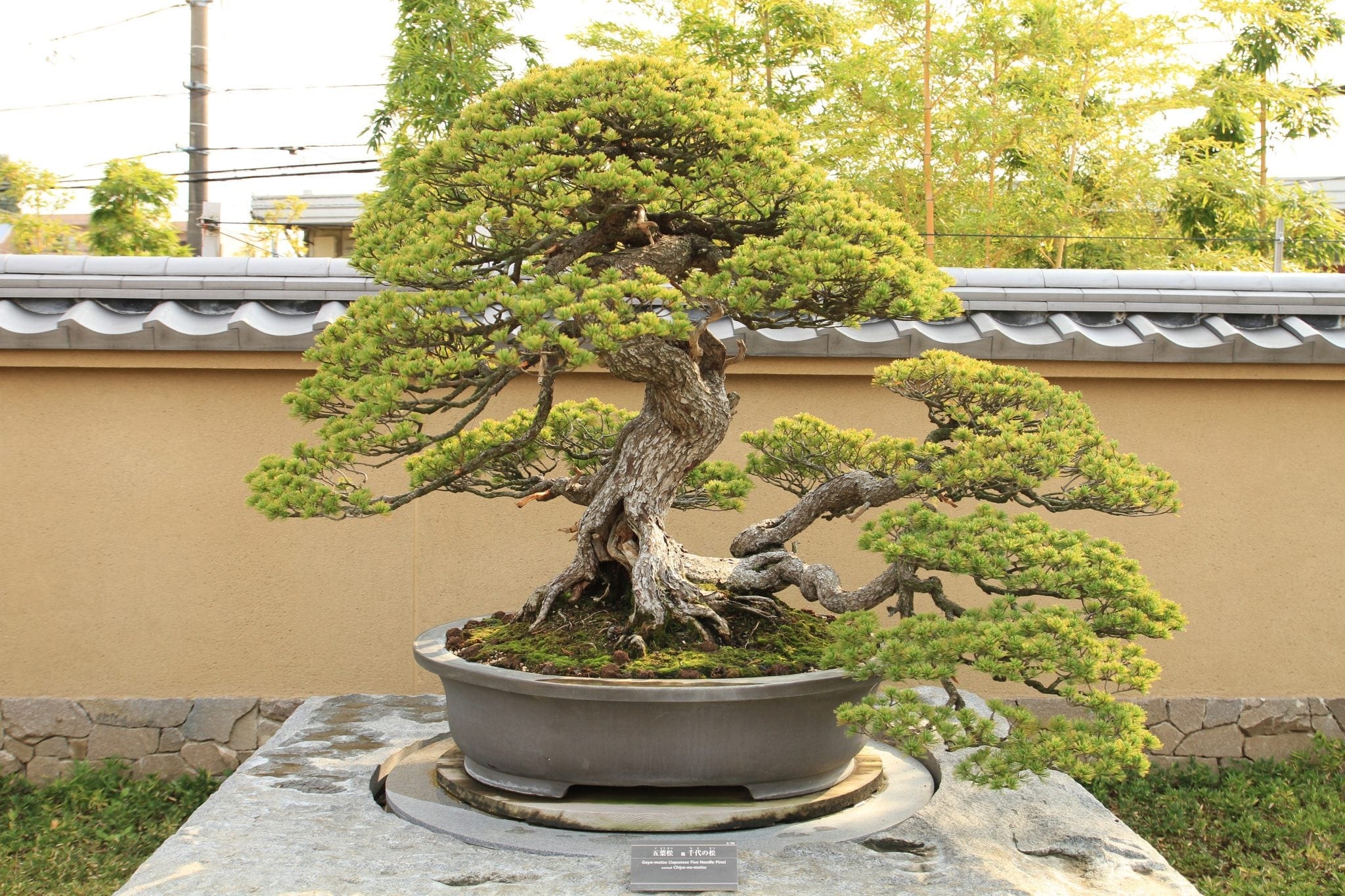
How To Care For Outdoor Bonsai Trees Bonsai Tree Gardener

Juniper Bonsai Sun Requirements Basic Bonsai Tree Care